What is AWS and How Can It Benefit My Business?
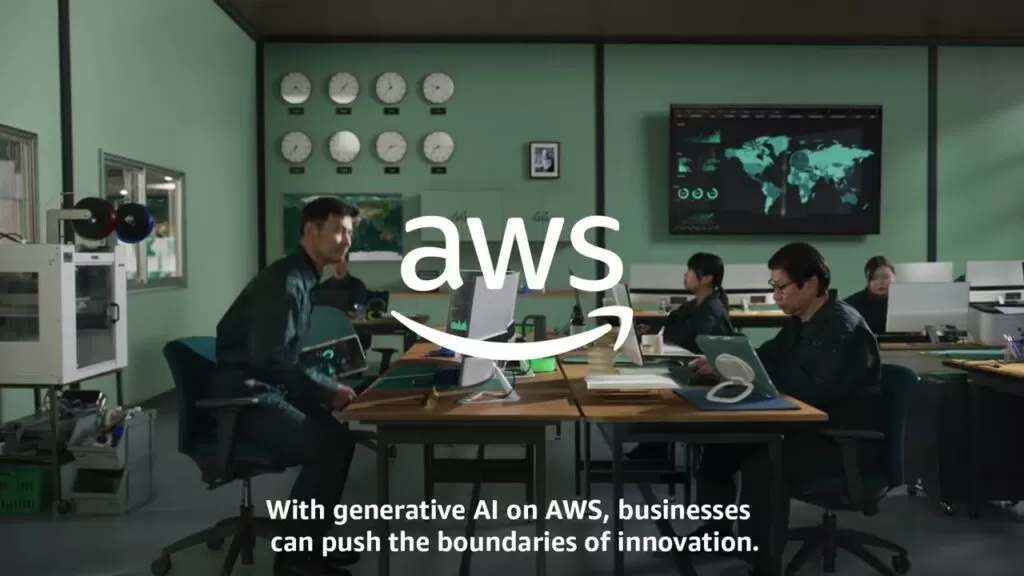
In today's fast-paced digital landscape, businesses of all sizes are increasingly turning to cloud computing to enhance their operations, drive innovation, and reduce costs. Among the leading providers of cloud services is Amazon Web Services (AWS), a comprehensive and widely adopted cloud platform. This article explores what AWS is, its core services, and the myriad ways it can benefit businesses, with a focus on its relevance to the U.S. market.
Understanding AWS
Amazon Web Services (AWS) is a subsidiary of Amazon providing on-demand cloud computing platforms and APIs to individuals, companies, and governments on a metered pay-as-you-go basis. Launched in 2006, AWS has grown to become the largest and most comprehensive cloud platform in the world, offering over 200 fully featured services from data centers globally. These services span computing, storage, databases, networking, analytics, machine learning, artificial intelligence, Internet of Things (IoT), security, and more.
Core Services of AWS
1. Compute
AWS offers a variety of computing services to meet different needs:
- Amazon EC2 (Elastic Compute Cloud): Provides scalable virtual servers, known as instances, to run applications.
- AWS Lambda: A serverless compute service that lets you run code without provisioning or managing servers.
- Amazon ECS (Elastic Container Service) and Amazon EKS (Elastic Kubernetes Service): Managed container services for running Docker containers.
2. Storage
AWS provides several storage options to handle diverse data storage needs:
- Amazon S3 (Simple Storage Service): Scalable object storage for a wide range of data types.
- Amazon EBS (Elastic Block Store): Block storage for use with Amazon EC2 instances.
- Amazon Glacier: Low-cost archival storage for long-term data retention.
3. Databases
AWS offers both relational and non-relational database services:
 How Does Google Cloud Platform Compare to AWS?
- Amazon RDS (Relational Database Service): Managed relational databases supporting multiple database engines.
- Amazon DynamoDB: A fast and flexible NoSQL database service.
- Amazon Aurora: A MySQL and PostgreSQL-compatible relational database built for the cloud.
4. Networking
AWS provides networking services to build scalable and secure networks:
- Amazon VPC (Virtual Private Cloud): Allows you to create a private network within the AWS cloud.
- AWS Direct Connect: Provides dedicated network connections from your premises to AWS.
- Amazon Route 53: A scalable DNS and domain name registration service.
5. Analytics
AWS offers tools for big data processing and analytics:
- Amazon Redshift: A fully managed data warehouse.
- Amazon EMR (Elastic MapReduce): A managed service to process large amounts of data using Hadoop and Spark.
- Amazon Athena: An interactive query service to analyze data in Amazon S3 using standard SQL.
6. Machine Learning and AI
AWS provides a range of machine learning and AI services:
- Amazon SageMaker: A managed service to build, train, and deploy machine learning models.
- Amazon Rekognition: An image and video analysis service.
- Amazon Comprehend: A natural language processing (NLP) service.
Benefits of AWS for Your Business
1. Scalability and Flexibility
One of the primary benefits of AWS is its scalability and flexibility. Businesses can quickly scale their resources up or down based on demand. Whether you are running a small startup or a large enterprise, AWS allows you to easily adjust your infrastructure to meet your current needs without significant upfront investments in hardware.
2. Cost Efficiency
AWS operates on a pay-as-you-go pricing model, which means you only pay for the services you use. This eliminates the need for large capital expenditures on physical infrastructure. Additionally, AWS offers a variety of pricing options, including Reserved Instances and Savings Plans, which can further reduce costs for predictable workloads.
 What Services Does Microsoft Azure Offer for Small Businesses?
3. Global Reach
AWS has a global presence with data centers located in various regions around the world. This extensive network allows businesses to deploy their applications and services closer to their customers, reducing latency and improving performance. For U.S.-based businesses with a global customer base, this capability is particularly valuable.
4. Reliability and Performance
AWS is designed to be highly reliable, with multiple data centers in each region and a robust architecture that ensures high availability. AWS services are backed by Service Level Agreements (SLAs) that guarantee a high level of uptime. The platform also offers tools like Auto Scaling and Elastic Load Balancing to help maintain performance during traffic spikes.
5. Security and Compliance
Security is a top priority for AWS, and the platform includes numerous features to protect your data and applications. AWS offers identity and access management (IAM), encryption, and comprehensive logging and monitoring. Additionally, AWS complies with various industry standards and regulations, such as GDPR, HIPAA, and SOC, making it suitable for businesses with stringent security and compliance requirements.
6. Innovation and Speed to Market
AWS provides a vast array of services and tools that enable businesses to innovate quickly. Whether you are developing new applications, leveraging artificial intelligence, or analyzing big data, AWS offers the necessary infrastructure and services to accelerate your development processes. This speed to market can provide a competitive edge in today’s fast-paced business environment.
7. Comprehensive Ecosystem
The AWS Marketplace offers thousands of software listings from independent software vendors, making it easy to find and deploy third-party applications that integrate with your AWS environment. Additionally, AWS has a large partner network, including consulting and technology partners, that can provide specialized solutions and services to help you optimize your AWS usage.
 How Can I Use IBM Cloud for Machine Learning Projects?
Practical Applications of AWS for Businesses
1. E-Commerce
E-commerce businesses can benefit from AWS’s scalable infrastructure to handle fluctuating traffic and seasonal spikes. AWS offers a variety of tools for building and deploying e-commerce platforms, including content delivery, database management, and security services. Popular e-commerce platforms like Shopify and Magento use AWS to provide reliable and scalable solutions to their customers.
2. Healthcare
The healthcare industry requires secure and compliant solutions for managing sensitive patient data. AWS provides HIPAA-compliant services and robust security features to protect healthcare data. Healthcare providers can use AWS to store and analyze large volumes of medical data, improve patient care, and support telehealth applications.
3. Financial Services
Financial institutions need reliable, secure, and scalable infrastructure to handle transactions, customer data, and regulatory compliance. AWS offers services tailored to the needs of the financial industry, including high-performance computing for risk analysis, machine learning for fraud detection, and secure storage for customer data.
4. Media and Entertainment
Media and entertainment companies can use AWS to manage and distribute content globally. AWS provides services for video processing, content delivery, and digital rights management. Companies like Netflix use AWS to stream high-quality video content to millions of users worldwide.
5. Education
Educational institutions can leverage AWS to deliver online learning platforms, manage student data, and support research initiatives. AWS offers tools for virtual classrooms, data analytics, and machine learning that can enhance the learning experience and improve administrative efficiency.
 How Does Salesforce Cloud Enhance Customer Relationship Management?
6. Manufacturing
Manufacturers can use AWS to optimize production processes, manage supply chains, and implement IoT solutions. AWS IoT services enable manufacturers to connect devices, collect data, and gain insights into their operations, leading to increased efficiency and reduced downtime.
Getting Started with AWS
1. Creating an AWS Account
To get started with AWS, you need to create an account at the AWS website. The registration process involves providing some basic information and setting up billing details.
2. Exploring the AWS Management Console
The AWS Management Console is the primary interface for managing your AWS services. It provides access to all AWS services and resources, allowing you to configure, monitor, and manage your infrastructure.
3. Choosing the Right Services
AWS offers a vast array of services, and choosing the right ones can be overwhelming. Start by identifying your business needs and then select the services that best meet those requirements. AWS provides extensive documentation, tutorials, and a well-organized service catalog to help you get started.
4. Learning Resources
AWS offers numerous learning resources, including online courses, webinars, and certification programs. The AWS Training and Certification program provides structured learning paths for different roles and expertise levels, helping you and your team acquire the skills needed to effectively use AWS.
 What Are the Benefits of Using Dropbox for Cloud Storage?
5. Engaging with AWS Partners
If you need additional expertise or specialized solutions, consider engaging with AWS Partners. The AWS Partner Network (APN) includes consulting and technology partners that can provide tailored solutions and services to help you maximize the benefits of AWS.
Conclusion
Amazon Web Services (AWS) is a comprehensive and versatile cloud platform that offers a wide range of services to meet the needs of businesses of all sizes and industries. From scalability and cost efficiency to security and global reach, AWS provides numerous benefits that can help your business innovate, grow, and stay competitive in today's digital landscape. By leveraging AWS’s robust infrastructure and extensive service offerings, businesses can enhance their operations, improve customer experiences, and drive strategic initiatives with greater efficiency and agility. Whether you are just starting your cloud journey or looking to optimize your existing infrastructure, AWS offers the tools and resources to support your business goals and ensure long-term success.